

Choosing a skin care clinic used to depend almost entirely on word-of-mouth from friends or whatever doctor happened to accept your insurance. That picture has shifted considerably. People now spend significant time researching treatments online before committing to a consultation, reading procedure explainers, watching video walkthroughs, and comparing clinic profiles in detail. In Singapore, Lumine Dermatology & Laser Clinic has become a reference point in this kind of research, with a consistent presence across the patient-facing platforms where these decisions get made. The shift toward digital-first research does not just reflect broader internet habits. It reflects something more specific: patients want to understand what they are getting into before the appointment.
Visual content has become one of the primary tools driving that understanding. Whether it is a side-by-side comparison graphic showing different treatment outcomes, an annotated diagram of how a laser procedure works, or a short video explaining what to expect during recovery, these materials compress complex medical information into something a person can actually absorb in a few minutes. Patients searching for a dermatologist in Singapore increasingly arrive at consultations already familiar with the terminology and procedures they plan to ask about.
The Gap Between Medical Language and How Patients Process Information
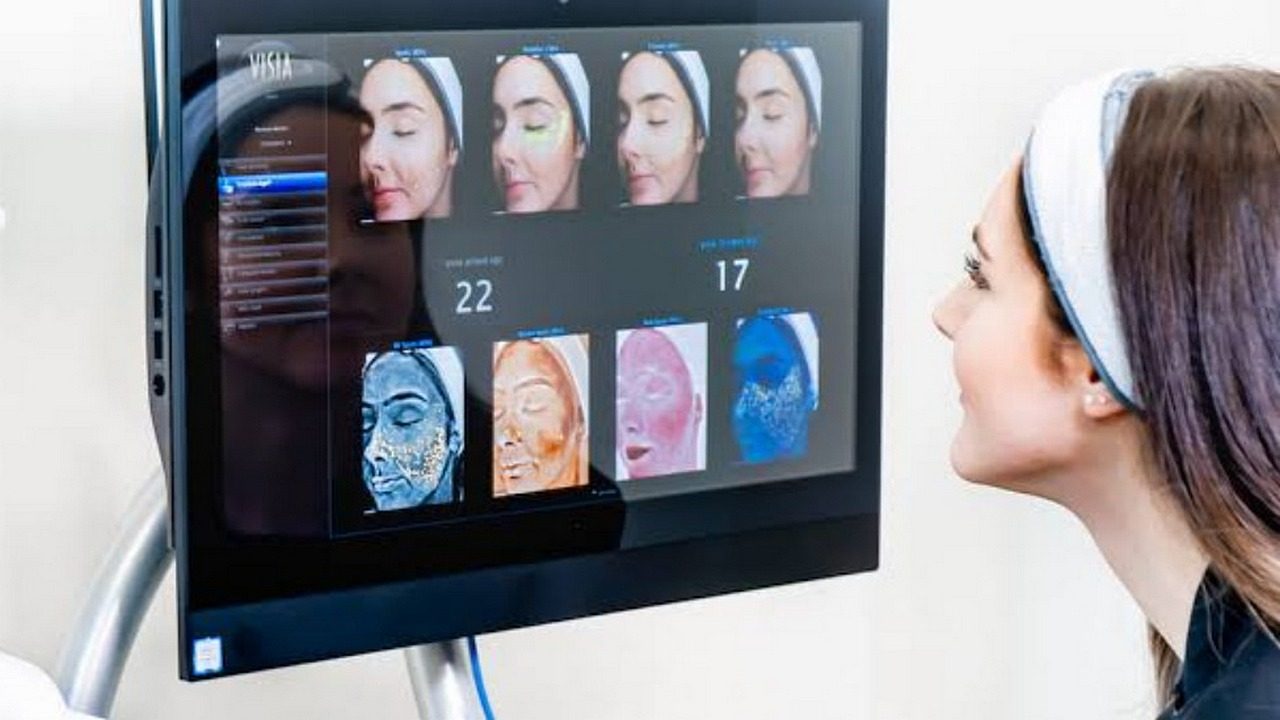
There is a well-documented disconnect between how clinicians describe treatments and how patients absorb that information. Medical professionals spend years developing clinical vocabulary, and even with the best intentions, that language creates real distance. A patient hearing “fractionated CO2 laser resurfacing” for the first time is processing something foreign, and that unfamiliarity often translates into hesitation, missed follow-up appointments, or decisions made on incomplete information.
Visual formats reduce this gap considerably. Infographics illustrating how a treatment affects different skin layers, short animations showing a healing timeline, or comparison charts between treatment options give patients a frame of reference before they walk into a consultation room. According to the CDC’s health literacy communication research, visual and simplified health formats consistently outperform text-heavy materials when it comes to patient information retention across populations. That finding holds across literacy levels and educational backgrounds. People do not need to be unfamiliar with medicine to benefit from clearer visual presentation. They just need the information in a format that matches how they actually consume content on a daily basis, which increasingly means quick, scannable, and visual.
Why Skincare Decisions Take Longer Than Most Medical Choices
Skincare occupies an unusual position between medical necessity and personal preference. Someone dealing with acne scarring that affects their confidence is making a medical decision, but also a deeply personal one. Someone considering laser treatment for sun damage may be motivated by prevention and appearance in roughly equal measure. Because the stakes feel personal in a specific way, the decision process tends to be longer and more deliberate than choosing a general practitioner.
Patients in this space typically do several rounds of research across multiple weeks. They read clinic reviews, look up treatment names, watch procedure walkthroughs, and compare results posted by verified patients. The infographic format travels well through this kind of extended research because it can live on clinic websites, social platforms, and third-party comparison sites simultaneously. A single clear explainer on how chemical peels work can reach the same person at multiple stages of their decision process, and each exposure builds on the last. Dermatology practices that invest in this kind of visual education are doing genuine patient preparation work, not just filling a content calendar.
What Makes Visual Health Content Actually Useful

Not every infographic labeled educational earns that description. There is a recognizable category of visual health content that looks like it was designed to fill a posting schedule rather than explain anything. These materials use generic stock imagery of smiling patients, list several points without connecting tissue between them, and end with a vague call to action. They are immediately forgettable.
The ones that actually change behavior share a few characteristics. They start with a real patient question rather than a marketing premise. They are specific enough that someone could learn something from them. A diagram showing the difference between hyperpigmentation and melasma is useful in a way that a graphic reading “treat your skin concerns with us” is not. A scoping review published by the National Institutes of Health confirms that pictorial health content improves comprehension and recall, but only when the visuals directly support the information being communicated rather than decorating it. Design that earns its place looks different from design that is there for visual bulk.
How Clinics Build Trust Through Content Rather Than Claims

Trust is a precondition for conversion in medical aesthetics, and it is harder to build than most clinic marketing plans acknowledge. A patient considering a laser resurfacing treatment is not just choosing a procedure. They are deciding whether they trust the person operating equipment on their face. That kind of trust does not emerge from a single review or a well-lit staff photo.
Clinics building trust effectively through content tend to share certain practices. They publish materials that take real patient anxieties seriously rather than dismissing them. They show actual clinical results without heavy editing. They explain risks with the same clarity they use to explain benefits. A clinic that tells a prospective patient what could go wrong in a given treatment, and what the protocol is if it does, reads as far more credible than one that presents every procedure as simple and complication-free. This kind of transparency, when communicated visually and accessibly, converts cautious researchers into booked consultations at a rate that purely promotional content rarely matches.
The Part Visual Content Plays in Choosing a Specialist
Finding the right specialist is a different kind of search than finding the right procedure. Patients often know roughly what they want done before they are certain who they want to do it. The research phase for choosing a dermatologist or aesthetic clinic involves cross-referencing credentials, reading patient reviews, looking at treatment portfolios, and sometimes comparing several consultations before committing. Visual content is useful at nearly every stage of this process.
Specialty certifications become more intelligible when presented visually than as a list of initials. Procedure portfolios are more convincing with annotated results than with generic before-and-after sliders. Comparison guides between clinic types, treatment modalities, or cost ranges give patients the structured framework they are already trying to build for themselves. Clinics that understand this tend to show up consistently in organic search not because they optimized harder, but because their educational content keeps earning attention from people who found it genuinely useful. That is a harder thing to manufacture, and a more durable one.