
Oral health problems rarely start with a dramatic warning. More often, they begin as small annoyances: a little bleeding when brushing, a faint bad taste, or a twinge when sipping something cold. Then life gets busy. Weeks pass. That “small thing” turns into a bigger one. The good news is simple: many common dental issues respond well to early action, smart habits, and timely professional care.
For people rebuilding their smiles after tooth loss, modern options can restore function and confidence in a practical way, including solutions like Orto Nova all on 4 when a clinician deems it appropriate. For everyone else, the basics still carry the most power. Spot trouble early. Reduce the main risk factors. Know when a symptom needs attention. Oral health improves fast when care becomes consistent instead of reactive.
The Most Common Oral Health Problems and What Triggers Them

Most oral issues fall into a few familiar categories: cavities, gum disease, tooth sensitivity, enamel wear, and infections. They share common drivers. Plaque buildup, frequent snacking on sugary or starchy foods, dry mouth, tobacco use, and inconsistent brushing and flossing create ideal conditions for bacteria to thrive. Stress can add fuel too, especially through jaw clenching, grinding, and skipped routines.
Cavities form when bacteria feed on sugars and release acids that weaken enamel. At first, there may be no pain. Gum disease often starts as gingivitis, which can look like mild redness or bleeding. Left untreated, it can progress into periodontitis, where the supporting structures of the teeth begin to break down. Tooth sensitivity may come from thinning enamel, exposed root surfaces, or small cracks. Bad breath can be a clue that bacteria, inflammation, or dry mouth is present.
Some triggers hide in plain sight. Acidic drinks, sports drinks, citrus seltzers, and frequent “healthy” snacking can keep the mouth in a constant acid cycle. Mouth breathing at night dries tissues and reduces saliva’s protective effect. Certain medications can lower saliva flow, too. When the mouth stays dry, enamel faces more stress, and gums become easier to irritate.
Prevention That Works in Real Life
Prevention does not need a complicated routine. It needs a consistent one. Brush twice a day for two minutes with fluoride toothpaste. Aim the bristles along the gumline, not just the tooth surfaces. Floss daily, or use interdental brushes if spacing allows. If floss feels frustrating, try a different style. Comfort matters because habits stick when they feel manageable.
Food and drink choices can quietly shift risk. Try to keep sweet foods and drinks to mealtimes instead of sipping or grazing all day. Rinse with water after acidic drinks, and wait about 30 minutes before brushing if enamel feels exposed after acid exposure. Chewing sugar-free gum can help saliva flow, which naturally protects teeth. If dry mouth is a regular problem, talk to a clinician. Treating dryness can reduce cavities and irritation.
Professional prevention matters because home care cannot do everything. Regular exams catch early decay, gum inflammation, bite problems, and enamel wear. Cleanings remove hardened tartar that brushing cannot lift. If someone grinds their teeth, a night guard can protect enamel and reduce jaw strain. Fluoride treatments, sealants, and targeted advice often provide big returns with minimal effort.
Symptoms You Should Not Ignore

Pain is not the only warning sign. Bleeding gums after brushing or flossing can signal inflammation, especially if it happens regularly. Persistent bad breath or a bad taste can point to gum problems, trapped debris, or infection. Sensitivity that lingers after cold or heat can suggest enamel wear, recession, or a cavity. A tooth that feels “high” when biting can indicate a crack or early inflammation in the tooth’s nerve.
Swelling deserves prompt attention. A pimple-like bump on the gum, facial swelling, fever, or a throbbing sensation can indicate an abscess. That is not a “wait it out” problem. Infections can spread and become serious. Loose teeth, gum recession, or a change in how teeth fit together can suggest advancing gum disease or bite changes.
Soft tissue changes matter too. White or red patches, sores that do not heal within two weeks, persistent tenderness, or lumps should be checked. Many mouth irritations are harmless and temporary, but persistent changes need a professional look. Quick evaluation can rule out serious issues and bring relief faster.
Cavities, Sensitivity, and Enamel Wear
Cavities do not always hurt early on. That is what makes them sneaky. Early decay may show up as faint white spots, mild sensitivity, or food catching in the same area. As decay progresses, pain can appear, especially with sweets, cold drinks, or pressure. Treating a cavity early often means a simple filling. Waiting can lead to deeper treatment like a root canal or a crown.
Sensitivity can have several causes. Gum recession exposes root surfaces that are softer than enamel. Overbrushing with a hard brush can wear surfaces down and irritate gums. Acid erosion from reflux, frequent acidic drinks, or certain diets can thin enamel. Cracks can also create sharp, unpredictable pain, especially when biting. Because the cause varies, the fix varies. Desensitizing toothpaste can help, but it is not a cure for every source of sensitivity.
Enamel wear often builds slowly. Signs include flattened chewing edges, chips, yellowing, and increased sensitivity. Teeth grinding plays a large role, especially during sleep. Acid reflux can be another major factor. If someone wakes up with a sour taste or chronic throat irritation, dental enamel may be taking hits too. Addressing the root cause protects teeth and helps restorations last longer.
Gum Disease and Inflammation: What’s Happening Beneath the Surface
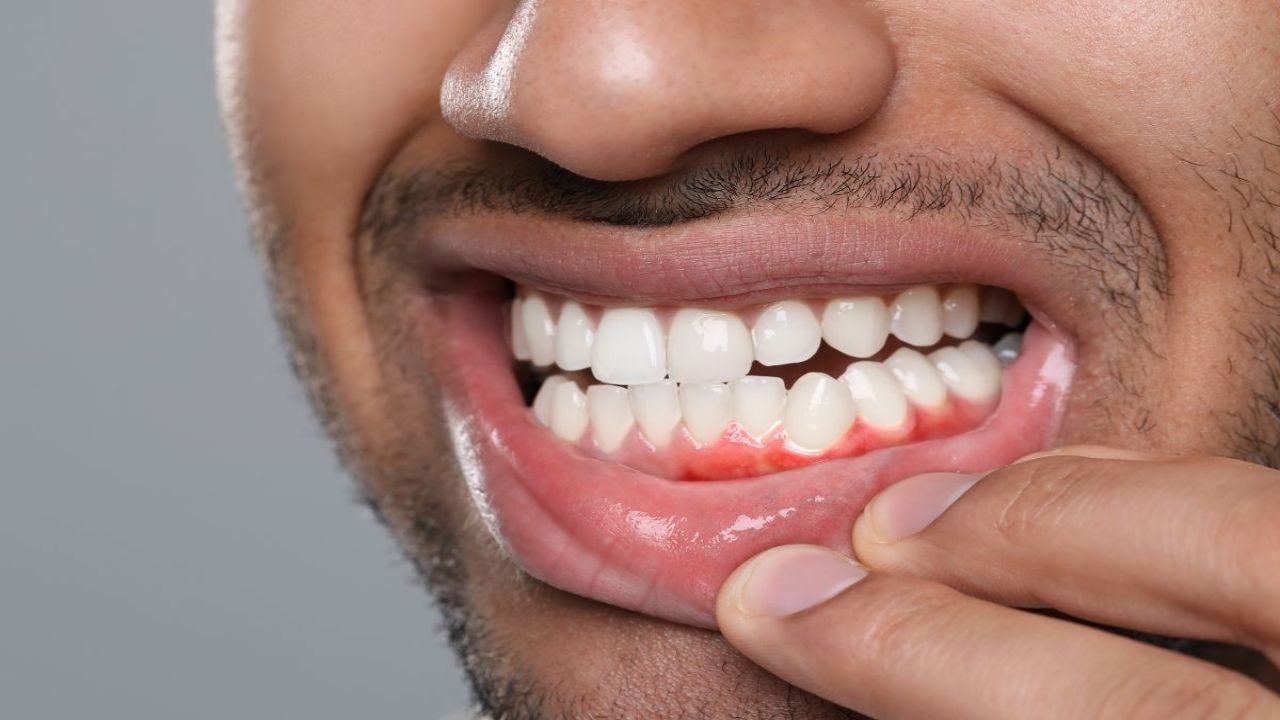
Gum disease is common and easy to underestimate. Gingivitis starts with plaque near the gumline, leading to swelling, redness, and bleeding. At this stage, gums can often recover with consistent home care and professional cleaning. Periodontitis is different. It involves deeper infection and inflammation that damages the ligament and bone supporting the teeth.
Warning signs include bleeding that persists, gum recession, tenderness, bad breath that does not improve, and pockets around teeth. Some people feel little discomfort even as damage progresses, which is why dental visits matter. Treatment may include deep cleaning, targeted home-care changes, antibacterial rinses, and ongoing maintenance visits. The goal is to calm inflammation and stop progression.
Gum health also connects to daily comfort. Inflamed gums can make brushing unpleasant, which leads to less cleaning, which worsens inflammation. Breaking that loop helps. Gentle technique, soft bristles, and short, consistent routines often work better than aggressive brushing. If bleeding continues after a couple of weeks of better care, it is time for a professional evaluation.
Smart Care Plans: When Home Care Is Enough and When to Seek Help
Home care can handle many early issues, but it has limits. Mild gum irritation, minor sensitivity, and occasional bad breath can improve quickly with better technique, consistent flossing, hydration, and fluoride use. Adding a tongue scraper can help with odor caused by bacterial buildup on the tongue. Small adjustments can create major improvements in a week or two.
Seek professional care when symptoms persist, worsen, or appear suddenly. Persistent pain, swelling, pus, fever, a cracked tooth, or a tooth that feels loose needs prompt evaluation. So do sores that do not heal, ongoing bleeding, or sensitivity that keeps getting stronger. Early treatment tends to be simpler, less expensive, and more comfortable.
A strong care plan also includes follow-through. If a clinician recommends a filling, gum therapy, a night guard, or reflux management, the goal is prevention through stability. Dental problems often return when the underlying cause stays in place. The best outcomes come from pairing professional treatment with daily habits that protect the work done in the chair.